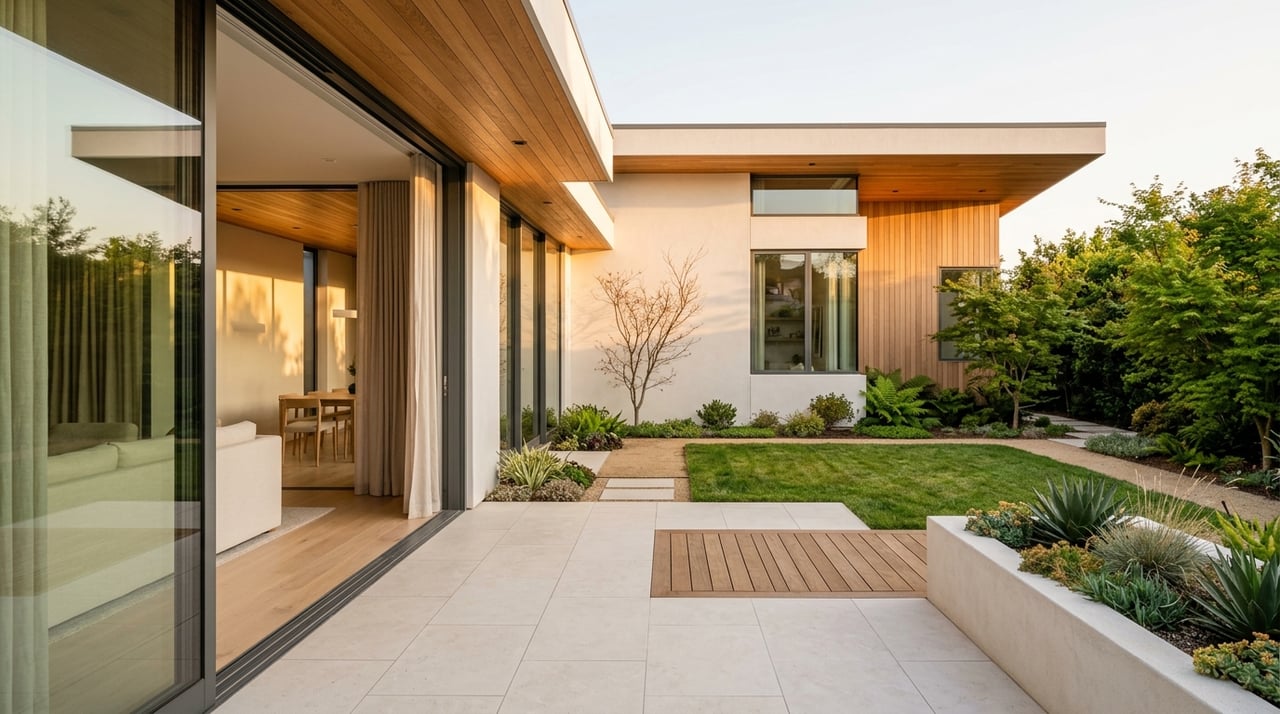
Townhome Or House In Tustin? How To Decide
June 18, 2026
June 18, 2026
Choosing between a townhome and a house in Tustin can feel like a tug-of-war between budget, space, and lifestyle. You may love the idea of more privacy and a yard, but also want a lower purchase price and less upkeep. The good news is that a smart decision usually comes down to a few practical questions about your monthly costs, your daily routine, and how much home maintenance you want to take on. Let’s dive in.
In Tustin, the price gap between townhomes and single-family homes is significant. Recent market data show a median sale price of about $935,184 for townhouses and about $1,529,222 for single-family homes.
That spread can shape almost every part of your decision. If you want to enter the Tustin market at a lower price point, a townhome may offer a more realistic path. If you have room in your budget and want more space and separation, a detached house may feel worth the premium.
Current listing snapshots point in a similar direction. Median asking prices are around $955,000 for townhouses and about $1.2 million for whole-house listings, which reinforces that townhomes often serve as the lower-cost option in this market.
This is not a slow market where you can casually sort it out over several months. Homes in Tustin are selling in roughly 33 to 35 days, which suggests buyers should be clear about priorities before they start making offers.
That matters because your decision is not only about what sounds best in theory. It is also about what you can move on confidently when the right property appears.
A townhome often sits in the middle ground between a condo and a detached house. You usually get more separation than a typical condo, but you still share one or more walls with neighbors.
Townhomes are often narrower and more vertical in layout. You may have a small patio, front yard, or backyard, and in some communities you may also have access to shared amenities like green space or a pool.
For many buyers in Tustin, that combination can be appealing. You may get a more attainable purchase price while still owning a home that feels more private than a traditional condo.
A single-family home usually gives you more room to spread out. In many cases, you can expect more square footage, more storage, larger front and back yards, and more privacy because you are not sharing walls or common living structures.
A detached house can also offer more freedom for changes to the property, such as painting, landscaping, or remodeling, though that still depends on local rules and any neighborhood restrictions. For buyers who want separation, outdoor space, and more control, this can be the strongest reason to pay more.
The tradeoff is responsibility. With a house, you are generally taking on more of the maintenance and repair burden yourself.
In Tustin, this decision is not only about the home itself. Location and daily convenience can play a big role.
The city is in central Orange County, about two miles north of John Wayne Airport, with access to I-5, SR-55, SR-133, SR-241, SR-261, and SR-73. The Tustin Metrolink Station is also minutes from anywhere in the city and is served by OCTA bus routes 70, 90, 472, and 473, with rail service connecting to places including Irvine, Santa Ana, Orange, Anaheim, and L.A. Union Station.
That regional access can shape what feels like the better fit. If staying close to freeway or rail connections matters to your work or routine, you may be more comfortable choosing a townhome with less space in exchange for convenience. If your top priority is privacy and a larger yard, you may decide the detached-home premium is justified.
One of the biggest mistakes buyers make is comparing only the list price. In Tustin, especially when looking at townhomes, you will want to compare the full monthly cost of ownership.
That means looking at your mortgage payment, property taxes, insurance, utilities, maintenance, and any HOA dues. A townhome with a lower price can still carry meaningful monthly fees, so it is important to measure the whole picture rather than one number.
Many townhomes in California are part of a homeowners association. An HOA typically makes and enforces rules for the community, requires membership, and collects fees and assessments.
Those fees help fund day-to-day operations and reserves. They may also support shared property and services such as landscaping, recreation facilities, parking areas, drainage gutters, and outdoor lighting.
Just as important, HOA dues can increase over time. Special assessments may also be charged for major repairs, replacements, or new construction involving common-area property.
One common source of confusion is assuming that the HOA covers everything outside the walls. In reality, maintenance responsibility can vary from one community to another.
According to California DRE guidance, some items that seem communal may still be the owner's responsibility depending on the governing documents. That can include private yards, decks, front doors, siding, or roofs.
This is why reviewing the community documents matters so much. Before you buy a townhome, you should know exactly who handles the roof, fences, patio areas, and landscaping.
If you are financing your purchase, ask your lender how the property is classified. Some homes may be reviewed as condo, co-op, or planned unit development style projects, and loan approval can depend not only on you as a borrower but also on whether the project meets lender standards.
That is especially important in communities with HOAs. Buyers should ask whether the specific project works for the loan program they plan to use, rather than assume every townhome community will qualify the same way.
If you feel torn, try narrowing your decision to the factors that affect your day-to-day life the most. Usually, this choice becomes clearer when you focus on how you actually want to live, not just what sounds ideal.
Here is a simple framework:
The best choice is not always the one with the most features today. It is often the one that fits your budget, routine, and comfort level over the next several years.
If you expect your needs to stay simple and you want to keep maintenance manageable, a townhome may be the right move. If you know you want room to grow, more privacy, and outdoor space, a house may serve you better even at a higher price point.
In Tustin, both options can make sense. The key is understanding the tradeoffs clearly so you can buy with confidence instead of second-guessing yourself later.
If you want help comparing specific Tustin townhomes and houses, reviewing HOA details, or narrowing your options based on your budget and lifestyle, reach out to Clara Blunk for a heart-centered consultation.
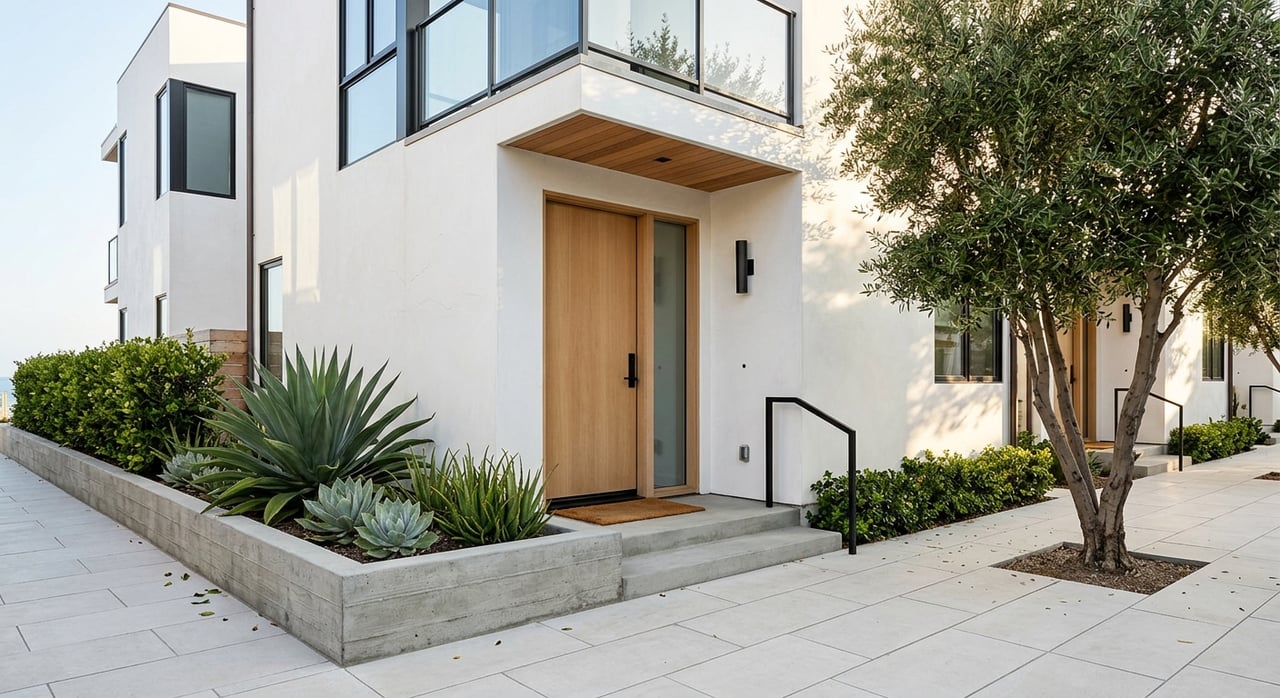

Traits That Separate a Great Real Estate Agent From the Rest.

What to Ask About the Property, Costs, and Fit Before Buying a Home in Laguna Beach.

Sunset Timing, Coastal Menus, and Easy Touches for a Laguna Beach Dinner Party.
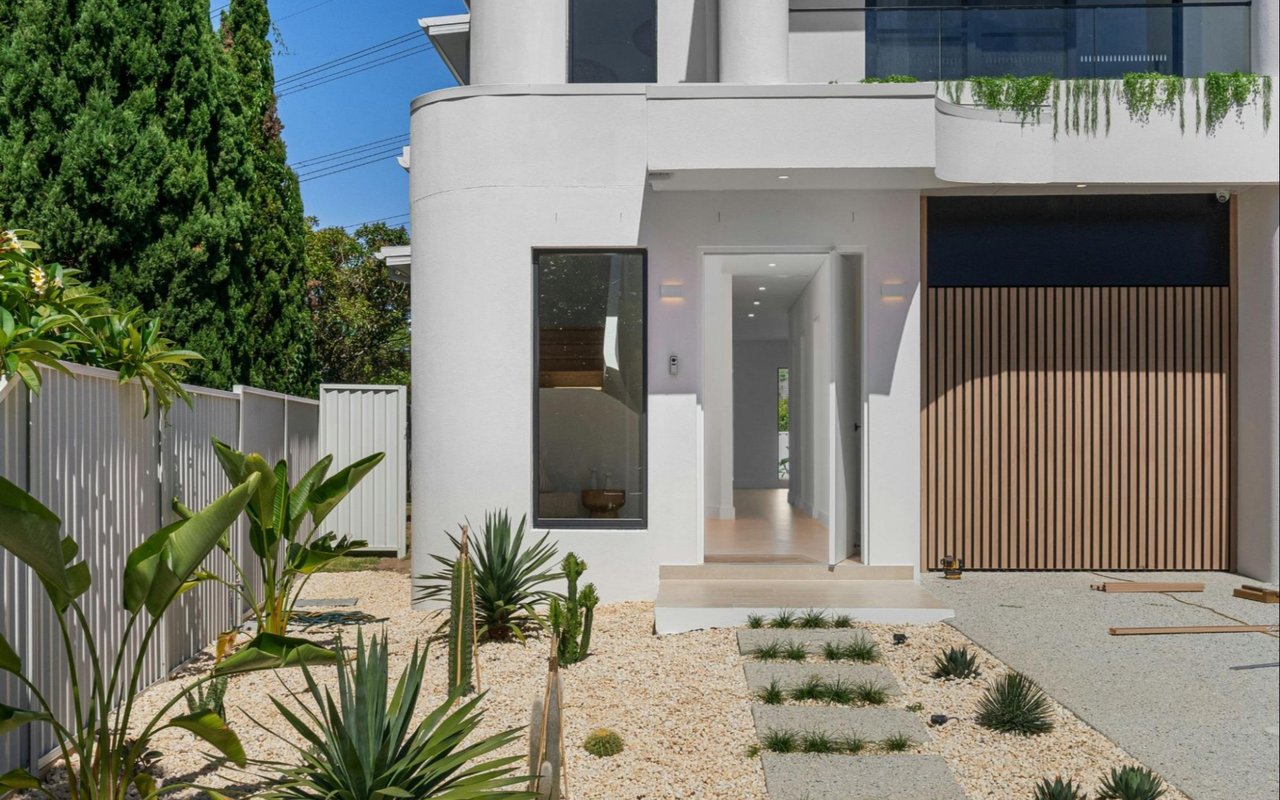
Financing, Neighborhoods, and Diligence: A First-Time Buyer's Roadmap in Laguna Beach, CA.
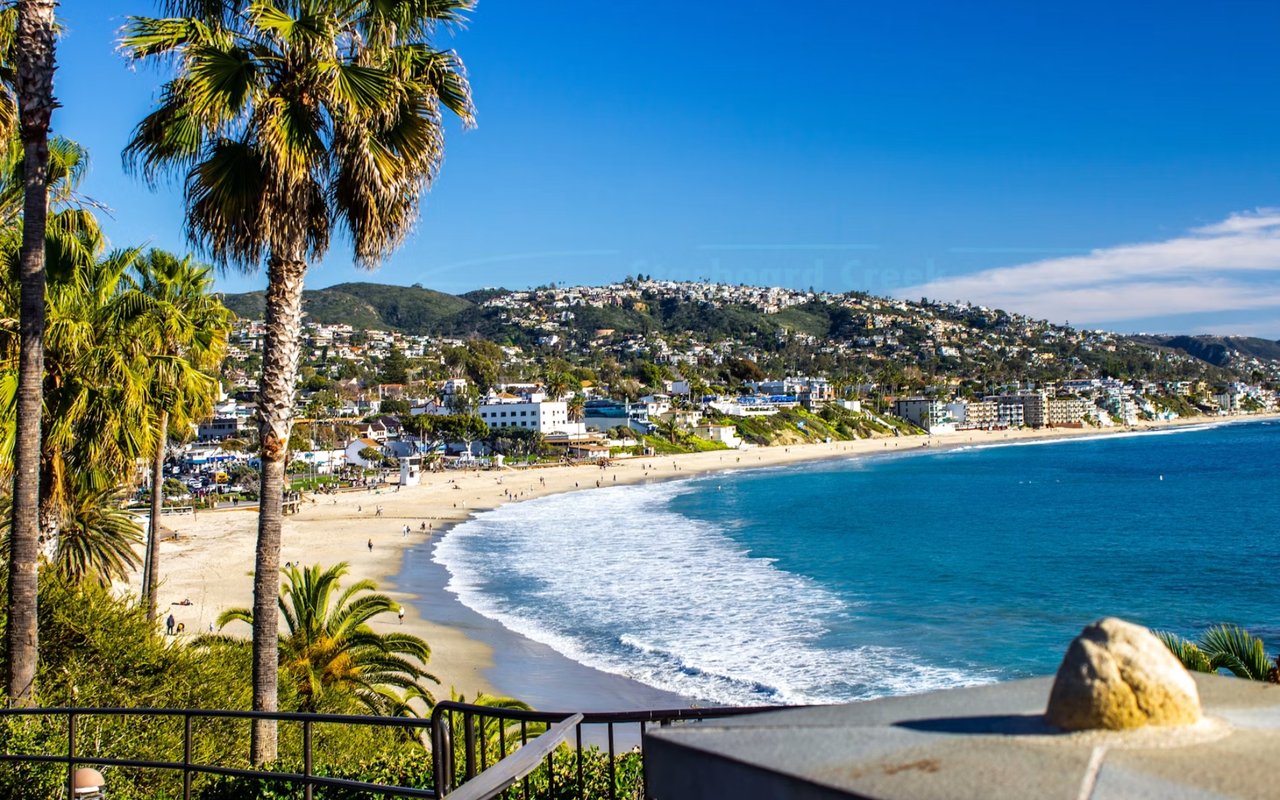
The Everyday Rhythm of Living in Laguna Beach, CA, From Coast to Canyon.
Weighing the Lifestyle, Costs, and HOA Rules of a Laguna Beach Condo.
Modern Design and Lower Upkeep: The Case for New Construction in Laguna Beach.
Connect with Clara Blunk and unlock a world of real estate opportunities in Laguna Beach. Whether you're buying, selling, or just exploring options, Clara provides the expertise and support you need for a successful real estate experience.