
June 4, 2026
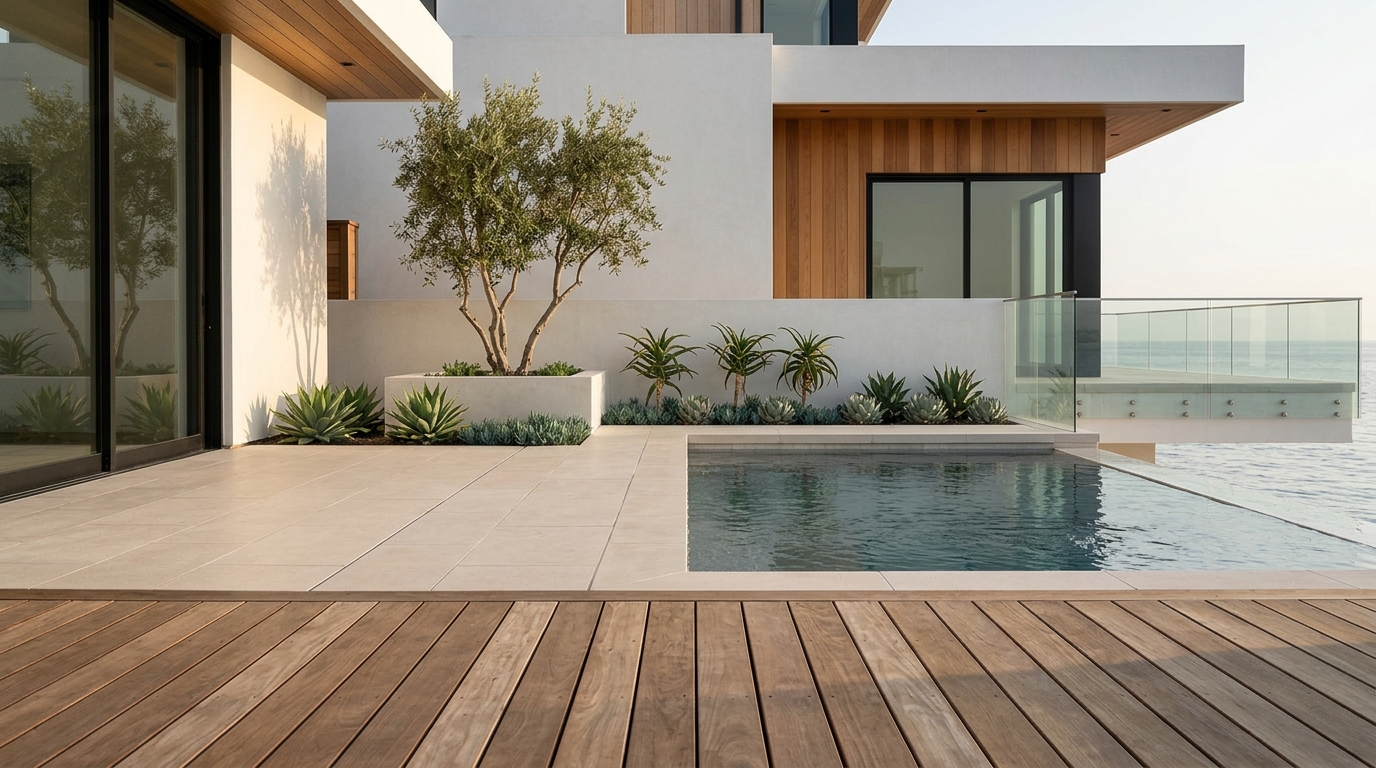
If you picture waking up to water in Newport Beach, the next question matters more than most buyers expect: do you want the calm rhythm of the harbor or the open energy of the Pacific? Both options can feel iconic, but they shape your daily routine, maintenance needs, and long-term planning in very different ways. This guide will help you compare bayfront and oceanfront living in Newport Beach so you can focus on the lifestyle that truly fits you. Let’s dive in.
Bayfront vs Oceanfront Areas in Newport Beach Compared
In practical terms, bayfront living in Newport Beach centers on Newport Harbor and its residential islands. The city describes the harbor as a 21-square-mile harbor area with about 4,300 boats, and it identifies islands such as Bay Island, Collins Island, Harbor Island, Lido Isle, Linda Isle, Little Balboa Island, and Newport Island. Several are strictly residential, while Balboa Island includes homes along with some small commercial areas.
Oceanfront living is concentrated along the Pacific-facing side of Newport Beach. That usually means the Balboa Peninsula, parts of Corona del Mar, and in a broader lifestyle sense, some ocean-view hillside areas like Newport Coast and Crystal Cove. The city describes the Peninsula as a three-mile stretch bordered by Newport Harbor on one side and the Pacific Ocean on the other.
For many buyers, this is the first big divide. Bayfront homes tend to connect you to harbor activity, slips, moorings, and island living, while oceanfront homes connect you more directly to sand, surf, and broader coastal views. Neither is better across the board. It depends on how you want Newport Beach to feel when you live there.
Bayfront Lifestyle Benefits Calm Water and Boating Access
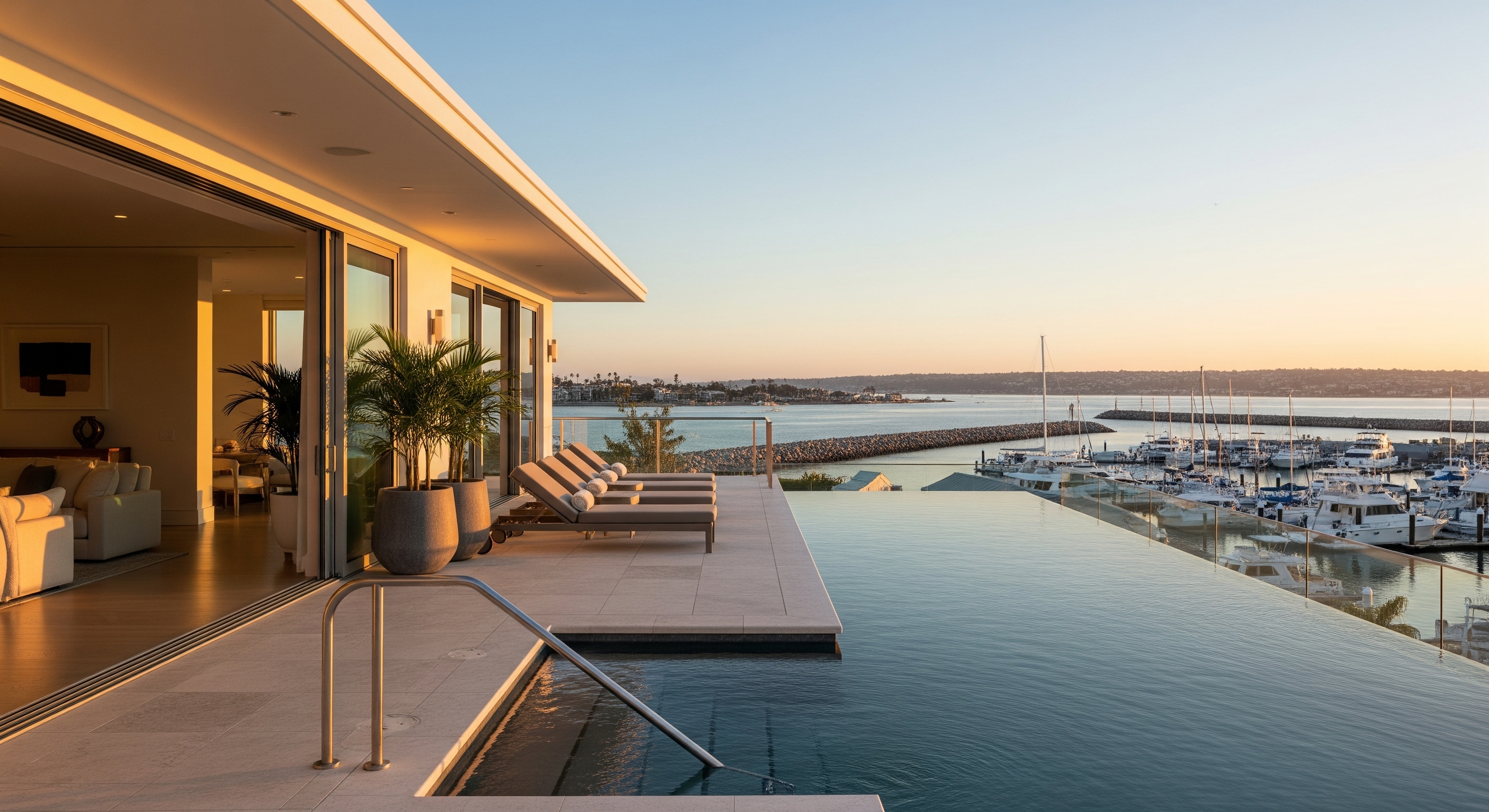
If boating is part of your vision, bayfront living often feels like the more natural fit. Newport Harbor is one of the largest recreational harbors in the United States, and the Harbor Department manages moorings, anchorages, and the guest marina. Day to day, the setting is shaped by boats moving through the harbor, marina operations, and activity along the main channel.
The pace on the water is also more controlled than some buyers assume. Harbor travel is regulated by a no-wake rule and a 5 mph speed limit, which helps create the more sheltered, steady feel many people associate with bay living. That can be especially appealing if you want water views without the constant motion and exposure of the open coast.
Details matter if you want a property that supports an active boating lifestyle. The Balboa Yacht Basin has 172 slips for vessels from 31 to 75 feet, and the city’s anchorage east of Lido Isle is limited to 72 hours unless the Harbormaster approves an extension. If dock or mooring access is important to you, those specifics should be part of your search early, not later.
Oceanfront Lifestyle Perks Beach Access and Ocean Views
Oceanfront living in Newport Beach tends to appeal to buyers who want the beach to be part of everyday life. The city says Newport Beach has more than six miles of ocean beaches and 2.5 miles of bay beaches, with all ocean- and bay-front beaches open to the public from 6 a.m. to 10 p.m. The city also maintains lifeguard coverage year-round.
On the Balboa Peninsula, the lifestyle often includes a stronger connection to beachgoers, surf culture, and seasonal activity. The city highlights places like the Wedge and Ocean Front Walk as major anchors, while Corona del Mar adds ocean-facing viewpoints and beach access near the harbor entrance. If you want direct sand access or broad Pacific views, this side of Newport Beach usually delivers that more clearly.
There is a tradeoff, though. The city notes that summer beach and parking areas can be extremely crowded, and public beach parking is often paid. In practical terms, oceanfront living can mean more visitor traffic, more public activity nearby, and a more exposed coastal setting.
Day to Day Living Differences Buyers Notice First
Most buyers feel the difference between these two lifestyles almost immediately. Bayfront living usually feels more private in the sense of sheltered-water recreation, harbor watching, and a marina-centered routine. Your views and daily patterns are often tied to channels, docks, boats, and island streets.
Oceanfront living usually feels more open and more active. You may be closer to surf conditions, beach paths, and public shoreline access, and the setting often comes with more sound, wind, and movement. For some buyers, that is exactly the draw. For others, it is a reason to look more closely at bayfront or ocean-view alternatives.
If you want a waterfront experience without a direct waterfront parcel, Newport Beach offers options on both sides. Newport Coast and Crystal Cove can provide ocean-view hillside homes, while harbor-adjacent locations like Lido Isle, Balboa Island, and Linda Isle offer a more sheltered residential setting tied to the bay. That can be a smart middle ground if you want the setting without the full exposure of direct frontage.
Permits and Property Ownership Rules by Waterfront Location
Both bayfront and oceanfront properties sit in a highly regulated coastal environment. Newport Beach says about 47% of the city’s land area is in the coastal zone, and the California Coastal Act requires a coastal development permit for most development within that zone. Under the city’s Local Coastal Program, Newport Beach can now issue many of those permits locally.
That means renovations are rarely something to treat casually. Whether you are planning repairs, updates, or a larger remodel, waterfront homes often involve more review, more documentation, and more time than inland homes. One of the smartest steps you can take is to treat permit history and property-specific restrictions as part of your early due diligence.
Bayfront permit and upkeep issues
Bayfront ownership often brings added questions about docks, piers, moorings, and harbor-related improvements. The city requires harbor development permit review for work on Newport Harbor waters, tidelands, and submerged lands. It also requires pier permit transfers to be processed with the city at close of escrow.
If a home includes or depends on mooring-related rights, there are recurring costs and compliance rules to understand. Newport Beach lists 2025 mooring rents at $3.41 per lineal foot per month for off-shore moorings and $1.70 per lineal foot per month for on-shore moorings. The city also requires moorings to be lifted for inspection at least every two years.
Oceanfront permit and upkeep issues
Oceanfront ownership often raises different issues tied to the shoreline and public right-of-way. Under Newport Beach’s Oceanfront Encroachment policy, certain private improvements may extend into the public right-of-way in specified parcel zones, but only with an Oceanfront Encroachment Permit and annual fee. Permitted improvements can include patio slabs or decks and low walls or fences.
For larger work, the review can become more technical. The city’s coastal procedures note that repair or replacement of seawalls, revetments, bluff retaining walls, and similar structures can trigger coastal permitting. New development on beach or bluff property subject to wave action may also require wave uprush and impact reports.
Flooding and Erosion Risks for Newport Beach Homes
Waterfront value and waterfront risk go hand in hand, and in Newport Beach those risks show up differently depending on the location. The city classifies West Newport, the Balboa Peninsula, and Newport Bay as a low-elevation area. To limit flooding near the bay, the city operates 86 tidal valves and pumping systems.
Along the coast, the concerns can shift more toward erosion and bluff conditions. Newport Beach’s safety element states that coastal bluff retreat, bluff-top erosion, gullying, and beach erosion are occurring along the eastern shoreline, especially south of Corona del Mar. Those issues do not mean a property is unsuitable, but they do mean site-specific review matters.
Flood insurance may also be part of the ownership picture. FEMA notes that homes in high-risk flood areas with federally backed loans require flood insurance. For buyers, the key takeaway is simple: ask location-specific questions early about flood exposure, shoreline conditions, and any prior engineering or mitigation work.
How to Choose the Right Newport Beach Waterfront Home
If your dream day starts with a boat, a dock, or a calm harbor view, bayfront living may line up better with how you actually want to use the property. The setting often feels more protected and more connected to Newport Harbor’s residential islands and marine culture. It can be a strong fit if you want the water to be part of your routine without the full intensity of beachfront activity.
If your ideal Newport Beach home is about sand, surf, and open Pacific views, oceanfront living may feel more true to your goals. You may love the energy of the Peninsula, the shoreline access in Corona del Mar, or the wider coastal outlook from an ocean-view hillside home. For many buyers, that direct connection to the beach is worth the added exposure and complexity.
The best decision usually comes from matching the property to your real life, not just the postcard image. Think about how often you would use boating access, how much public activity you want nearby, and how comfortable you are with waterfront maintenance and permitting. A thoughtful, property-by-property comparison can save you time, stress, and costly surprises.
If you are weighing bayfront versus oceanfront living in Newport Beach, having a calm, local guide can make the process much clearer. Clara Blunk offers heart-centered, knowledgeable support for coastal Orange County buyers and sellers, with the local insight needed to help you compare lifestyle, property details, and next steps with confidence.
Newport Beach Bayfront and Oceanfront FAQs Answered
What is the difference between bayfront and oceanfront living in Newport Beach?
- Bayfront living is centered around Newport Harbor and its residential islands, while oceanfront living is concentrated along Pacific-facing areas like the Balboa Peninsula and parts of Corona del Mar.
Is bayfront living in Newport Beach better for boating?
- Bayfront living is usually more boating-oriented because Newport Harbor includes slips, moorings, anchorages, and regulated harbor access designed around recreational boating.
Is oceanfront living in Newport Beach busier than bayfront living?
- Oceanfront areas often feel busier because they are more connected to public beaches, surf activity, and seasonal visitor traffic, especially during summer.
Do Newport Beach waterfront homes need special permits for renovations?
- Yes. Many waterfront properties are in the coastal zone, and updates may require coastal review, with additional city processes depending on whether the property is bayfront or oceanfront.
What upkeep issues are common with bayfront homes in Newport Beach?
- Bayfront homes may involve dock, pier, mooring, and harbor-review issues, along with recurring mooring rules, fees, and inspection requirements when applicable.
What upkeep issues are common with oceanfront homes in Newport Beach?
- Oceanfront homes may involve encroachment permits, shoreline-structure review, and added engineering review for items like seawalls, revetments, bluff walls, or wave-related impacts.
Are flood and erosion risks part of buying waterfront property in Newport Beach?
- Yes. Low-elevation flooding is a concern in areas including Newport Bay and the Balboa Peninsula, while erosion and bluff-related issues are part of the coastal picture in some oceanfront areas.
Recent Newport Beach Real Estate Blog Posts
Dana Point Harbor Sets Closing Date After 54 Years
The Frida Cinema Doesn’t Just Show Movies. It Runs Half of Downtown Santa Ana’s Calendar.
Using ADUs As A Rental Strategy In Huntington Beach
Newport Beach Condo HOA Fees Buyers Should Expect
Costa Mesa’s Summer Already Peaked. Here’s What’s Actually Left in August.

Laguna Beach Home Inspection Checklist For Buyers
Home Inspection Steps Every Laguna Beach, CA Buyer Should Take.

Laguna Beach Home Remodeling Tips That Add Resale Value
What To Know Before Remodeling A Home In Laguna Beach, CA.

Laguna Beach Real Estate Investment Trends To Watch
Reasons Buyers Choose To Invest In Laguna Beach, CA.

Timeless Laguna Beach Home Design Ideas Buyers Love
Laguna Beach, CA Design Choices That Never Go Out Of Style.
Get Personalized Newport Beach Waterfront Buying Guidance
Connect with Clara Blunk and unlock a world of real estate opportunities in Laguna Beach. Whether you’re buying, selling, or just exploring options, Clara provides the expertise and support you need for a successful real estate experience.