
May 28, 2026
Looking for a place in Orange County that feels creative, connected, and full of architectural character? Santa Ana stands out because it offers more than a typical suburban housing search. If you are drawn to historic homes, a lively downtown, and a city with real cultural depth, Santa Ana gives you a lot to explore. Let’s dive in.
What Makes Living In Santa Ana Feel Distinctly Different
Santa Ana’s appeal comes from the way its history and daily life overlap. This is not a city with just one preserved pocket or one trendy arts block. Its residential story stretches across multiple neighborhoods and eras, while its downtown continues to serve as an active cultural and civic center.
The city identifies three National Register districts: Downtown Santa Ana, French Park, and Floral Park. It also has additional zoning protection for French Park and Heninger Park, along with a local Santa Ana Register of Historical Properties and a Historic Resources Commission. That framework shows a city that treats preservation as part of its identity, not an afterthought.
Historic Homes In Santa Ana And Where To Find Them
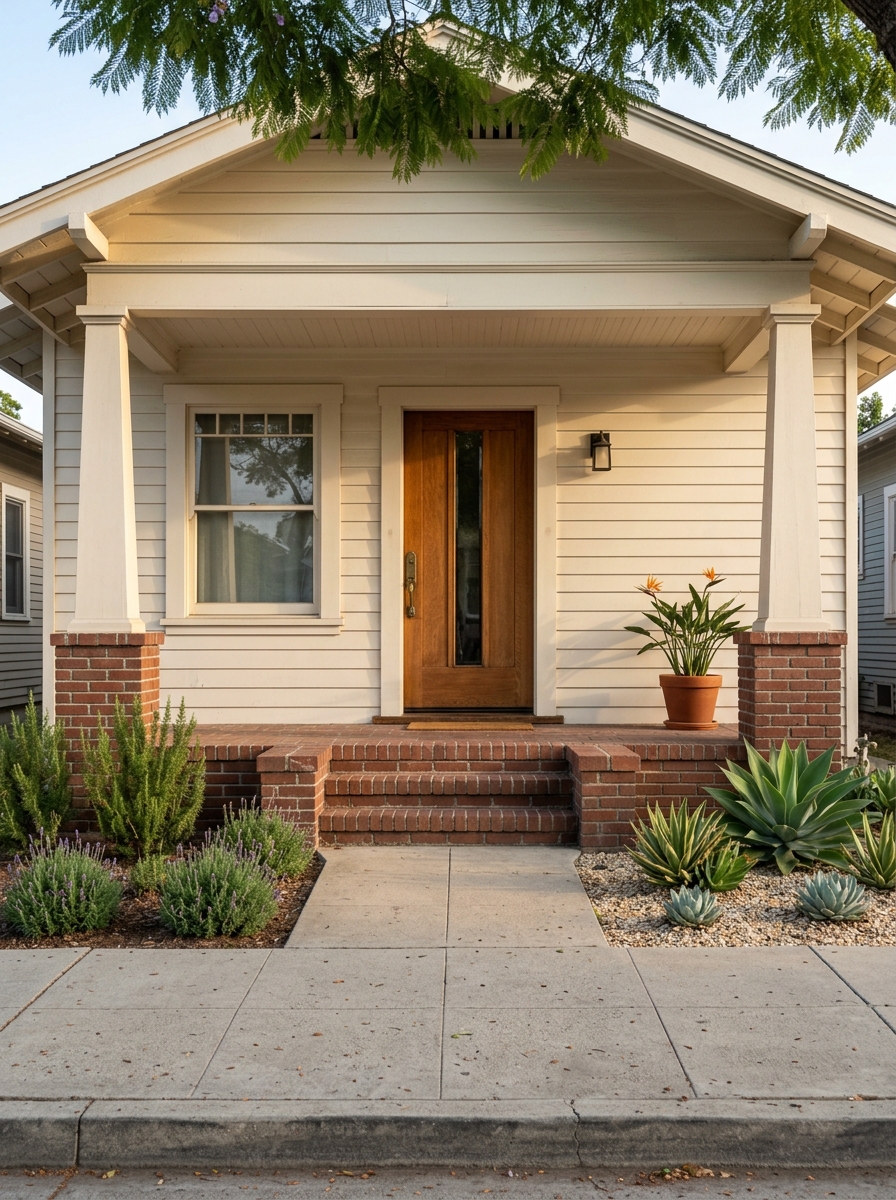
If you picture Santa Ana as one style of old home, think bigger. The city’s housing element points to historic significance in neighborhoods including French Park, Floral Park, Wilshire Square, Eastside, Washington Square, and Heninger Park. It also notes historic Mexican barrios such as Logan, Lacy, Delhi, and Santa Anita that date back to the late 1880s.
That variety matters when you start your search. Instead of one uniform historic district, you will find a city with layers of residential character, from early neighborhoods to more formal revival-era streetscapes. For buyers, that opens up more ways to match your budget, style preferences, and long-term goals.
Floral Park Santa Ana Historic Homes And Price Range
Floral Park is one of the clearest examples of Santa Ana’s architectural depth. The district includes a wide mix of styles, including Colonial Revival, Tudor Revival, Spanish and Mission Revival, Mediterranean Revival, French Revival, Storybook, Chateauesque, Minimal Traditional, Art Deco, and Prairie School homes.
The neighborhood’s physical layout adds to that sense of character. Mature trees, larger lots, and a mix of straight and curving streets create a setting that feels established and distinct from more standardized tract development. If you value homes with visual detail and a stronger sense of place, Santa Ana has neighborhoods worth a close look.
What Historic Home Ownership In Santa Ana Really Involves
Historic charm often comes with added responsibility. In Santa Ana, the city requires a Certificate of Appropriateness for work on registered properties or contributing properties in historic districts. That can affect plans for exterior changes such as windows, additions, façade updates, relocations, or demolitions.
For many buyers, this is a meaningful tradeoff. The review process helps protect neighborhood character, but it also means you should plan carefully before making visible changes. If you are considering a historic property, it helps to go in with clear expectations about timelines, approvals, and renovation scope.
Possible Property Tax Benefits For Long-Term Homeowners
Santa Ana’s housing element notes that Mills Act agreements can provide up to 50 percent property-tax savings. That can make historic ownership more appealing for long-term owner-occupants and some investors, especially when paired with the scarcity and character of older homes.
Of course, not every property will qualify, and tax outcomes depend on the property and agreement terms. Still, the potential benefit is part of what makes Santa Ana’s preservation story more than just aesthetic. It can also shape long-term ownership value.
How Santa Ana’s Creative Energy Shapes Neighborhood Life
Santa Ana’s arts identity is not tucked away indoors. Travel Santa Ana describes the city as a large open-air mural landscape with one of Southern California’s most extensive mural collections, with roots in the Chicano movement. You see that creativity in alleys, on building walls, on utility boxes, and across entire blocks.
That public presence gives the city a lived-in, expressive feel. It also signals that art here is part of everyday experience, not just something reserved for special occasions. For buyers who want a neighborhood with visible culture and a strong local voice, that matters.
Downtown Santa Ana Cultural Heartbeat For Local Residents
Historic downtown Santa Ana brings together 20th-century buildings, galleries, studios, restaurants, and recurring events. It is the setting for DTSA First Saturday ArtWalk, a free all-ages event held every first Saturday from 5 p.m. to 10 p.m. The event now brings together more than 50 artists and a dozen galleries and arts organizations.
This kind of programming adds real texture to everyday life. It gives you more than a place to live. It gives you a place where there is an ongoing rhythm of community activity, creative work, and local gathering.
Local Institutions That Anchor Santa Ana Neighborhoods
A strong arts scene is even more meaningful when it has real institutions behind it. Grand Central Art Center offers free admission in the heart of downtown and stays open during First Saturday Art Walk hours. The Frida Cinema, described as Orange County’s only nonprofit independent cinema, adds another layer to the city’s cultural life.
Together, these spaces suggest a durable ecosystem rather than a short-lived trend. If you are evaluating Santa Ana for both lifestyle and long-term potential, that kind of consistency can be a meaningful advantage.
Everyday Santa Ana Lifestyle And What Residents Experience
Santa Ana is not only about architecture and art. It also works as a practical place to live. Downtown Santa Ana has more than 400 businesses, over 1,500 parking spaces across four garages, and numerous annual events, according to the city.
That mix supports everyday routines as much as weekend plans. You can think beyond a home itself and consider what it feels like to run errands, meet friends, commute, or spend time locally without needing to build every activity around a long drive.
How Local Food And Small Businesses Shape Santa Ana Living
Santa Ana’s food scene is closely tied to its local identity. Travel Santa Ana’s Culinary Passport highlights locally owned restaurants known for signature recipes, while 4th Street Market positions itself as an innovation food hall built to support Orange County food makers and entrepreneurs.
That makes dining feel like part of the city’s creative fabric. Instead of a generic retail strip experience, you get a stronger connection between local business, culture, and neighborhood character.
Why Walkability And Transit Matter In Santa Ana Homes
Santa Ana describes itself as a 27-square-mile county seat with more than 60 neighborhoods, over 30,000 businesses, and transportation options that support commuting by bus, train, bicycle, or on foot. The city’s planning work also points toward a more walkable and interconnected core.
In June 2025, the city said the SD-84 district covered more than 100 blocks and 450 acres in the central urban core. It was designed as a transit-supportive, pedestrian-oriented framework around the Santa Ana Regional Transportation Center. For buyers thinking long term, that tells an important story about where the city is headed.
Santa Ana Real Estate Market Context Buyers Should Know
Character is important, but price still drives many buying decisions. Recent market data suggests Santa Ana remains a lower entry point than Orange County overall. Redfin reported a March 2026 median sale price of $803,000 in Santa Ana, compared with $1.3 million countywide.
That simple comparison puts Santa Ana at roughly 38 percent below the county median. Realtor.com also reported 397 homes for sale in Santa Ana, a median listing price of $799,000, median days on market of 55, and a 100 percent sales-to-list ratio. For buyers looking for urban energy and historic character without the coastal price premium, that is worth noting.
Why Home Buyers And Real Estate Investors Watch Santa Ana
Santa Ana’s centralized location is another part of the value story. The city says residents are less than 30 minutes from most Southern California destinations, including four airports. It also reports a business base of more than 30,000 companies employing over 150,000 people.
The housing element adds that Santa Ana continues to revitalize its historic core through the Transit Zoning Code, which encourages residential and mixed-use housing. That combination of preservation, infill, and urban planning can make the city especially appealing if you are thinking about long-term use, rental potential, or future resale positioning.
Who Santa Ana Neighborhoods Suit Best When You Relocate
Santa Ana tends to appeal to buyers who want more than a polished, predictable neighborhood. You may be a good fit if you value original architecture, enjoy local arts and small business culture, or want a more urban pattern of living within Orange County. It can also be compelling if you are comparing options across the county and want a lower entry point with strong identity.
It may require a little more homework, especially if you are considering a historic home or a property near the downtown core. But for many buyers, that extra effort is exactly what leads to a more distinctive and rewarding purchase.
If you are considering Santa Ana, it helps to look beyond square footage and finishes alone. You want to understand the preservation rules, the neighborhood context, and how the city’s creative and walkable core could support your lifestyle or investment goals. When you are ready for thoughtful guidance, Clara Blunk offers a heart-centered, strategic approach to buying, selling, and investing across Orange County.
Santa Ana Historic Home FAQs For Buyers And Sellers
How Santa Ana Historic Homes Differ From Orange County Homes
- Santa Ana has multiple historic districts and historically significant neighborhoods with a wide range of architectural styles, older streetscapes, and a city preservation framework that helps protect character.
What Buyers Should Know Before Remodeling Santa Ana Historic Homes
- For registered properties or contributing properties in historic districts, the city requires a Certificate of Appropriateness for certain exterior work, so you should plan for added review before making changes.
What The Arts And Culture Scene Is Like In Downtown Santa Ana
- Downtown Santa Ana includes galleries, studios, public murals, Grand Central Art Center, The Frida Cinema, and the monthly DTSA First Saturday ArtWalk, which brings together artists and arts organizations.
Is Santa Ana Housing More Affordable Than Orange County Overall
- Based on the research report, Santa Ana’s March 2026 median sale price was $803,000 versus $1.3 million for Orange County overall, making it a lower entry point than the countywide median.
Why Long-Term Buyers And Investors Consider Santa Ana Real Estate
- Buyers and investors often watch Santa Ana because of its historic housing stock, active downtown, centralized Orange County location, transit-oriented planning, and lower price point compared with the county overall.
Recent Santa Ana Real Estate Articles And Local Guides
Dana Point Harbor Changes That May Shape Local Real Estate
The Frida Cinema Doesn’t Just Show Movies. It Runs Half of Downtown Santa Ana’s Calendar.
ADUs in Huntington Beach as a Smart Rental Strategy

HOA Fees in Newport Beach Condos Buyers Should Expect

Costa Mesa’s Summer Already Peaked. Here’s What’s Actually Left in August.

Home Inspection Steps Before Buying in Laguna Beach
Home Inspection Steps Every Laguna Beach, CA Buyer Should Take.
Laguna Beach Home Remodeling Tips That Add Value
What To Know Before Remodeling A Home In Laguna Beach, CA.

Laguna Beach Real Estate Investment Insights to Know
Reasons Buyers Choose To Invest In Laguna Beach, CA.

Timeless Design Ideas for Your Laguna Beach Home
Laguna Beach, CA Design Choices That Never Go Out Of Style.
Get Personalized Santa Ana Real Estate Guidance Online
Connect with Clara Blunk and unlock a world of real estate opportunities in Laguna Beach. Whether you’re buying, selling, or just exploring options, Clara provides the expertise and support you need for a successful real estate experience.