

Clara Blunk
June 4, 2026
By Clara Blunk
Most buyers come into a real estate transaction knowing what they think they need to ask — and not knowing what they don’t. The questions that end up mattering most are often the ones that never occurred to anyone until something unexpected came up mid-transaction. In Laguna Beach’s market, where the stakes are high and the process has real complexity, getting ahead of those questions changes the experience entirely.
Key Takeaways
- What buyers routinely overlook when evaluating a property’s true cost of ownership
- How escrow works in California and what to expect between offer and closing
- What contingencies actually protect you, and when waiving them carries real risk
- Which questions to ask about a property that listing descriptions almost never answer
What Does This Home Actually Cost to Own?
The purchase price is the beginning of the financial conversation, not the end of it. In Laguna Beach, the gap between purchase price and true monthly cost of ownership can be significant — and buyers who don’t account for it fully sometimes find themselves in homes they can afford to buy but struggle to maintain.
Costs Buyers Frequently Underestimate
- Property taxes in California are calculated at approximately 1.1 percent of the assessed value at purchase, with additional Mello-Roos assessments in some communities adding meaningfully to the annual obligation
- Homeowners insurance in coastal Southern California has become considerably more complex and expensive — obtaining accurate quotes before removing contingencies is now an essential step in any Laguna Beach transaction
- HOA fees in communities with shared amenities or managed coastal access can range from modest to substantial and are a fixed monthly obligation regardless of usage
- Maintenance costs in a coastal environment run higher than inland properties, as salt air accelerates wear on exterior finishes, hardware, and mechanical systems
Understanding full ownership cost before you’re under contract prevents the kind of buyer’s remorse that sets in after closing when the monthly reality doesn’t match initial expectations.
How Does California Escrow Work?
California uses an escrow process that differs meaningfully from what buyers in other states may be accustomed to. In Laguna Beach transactions, escrow is handled by a neutral third party — typically a title and escrow company — and understanding the mechanics before you’re in the middle of one matters.
What Buyers Should Understand About California Escrow
- Escrow typically runs 30 to 45 days for financed purchases, though cash transactions can close considerably faster when both parties are motivated and organized
- The escrow company holds all funds, coordinates title transfer, pays off existing liens, and distributes proceeds — they work for the transaction, not for either party
- California is a community property state, which affects how title is held for married buyers — worth discussing with your escrow officer before closing
- Closing costs in California typically run two to three percent of the purchase price for buyers, covering lender fees, title insurance, escrow fees, and prepaid items
Buyers who understand the escrow timeline and mechanics are better equipped to meet the deadlines that protect their position throughout the process.
What Do Contingencies Really Do?
Contingencies are among the most misunderstood elements of a purchase contract. In Laguna Beach’s competitive market, buyers sometimes waive them without fully understanding what they’re giving up — and that’s a risk worth taking seriously.
The Contingencies Every Buyer Should Understand
- The inspection contingency gives you the right to have the property professionally evaluated and to negotiate or exit based on findings — waiving it eliminates that protection entirely in older canyon and coastal properties where surprises are common
- The financing contingency protects your earnest money if your loan falls through due to appraisal, underwriting, or lender issues after the contract is signed
- The appraisal contingency allows you to renegotiate or exit if the home appraises below purchase price — meaningful in a premium market where prices can outpace comparable sales
- The title contingency ensures you’re receiving a clean title free of undisclosed liens or easements, particularly relevant in coastal communities where access easements and historical title issues are not uncommon
Every contingency waiver should be made with a clear understanding of the specific risk involved— never as a reflexive strategy to appear competitive.
What Should I Ask That the Listing Doesn’t Tell Me?
Listing descriptions are marketing documents. They highlight what sellers want you to notice and omit what they’d prefer you discover later. The most valuable questions go beyond what’s written.
Questions Worth Asking Before You Write an Offer
- What is the property’s history of insurance claims, and has it ever had water intrusion, mold remediation, or fire damage — all disclosable in California but not always prominently surfaced
- What easements, access rights, or Coastal Commission restrictions affect the property, which can significantly limit what you’re permitted to build or modify in Laguna Beach’s regulated coastal zone
- How old are the major systems — roof, HVAC, water heater, and electrical panel — and is documentation of service history available
- What has the seller’s actual experience of the neighborhood been regarding noise, parking, traffic, and seasonal changes that only full-year residency reveals
These questions don’t always generate comfortable answers, but the information they surface is exactly what separates a confident purchase from one that produces regret.
FAQs
Should I get a home warranty in Laguna Beach?
On older homes or properties with aging mechanical systems, a home warranty provides meaningful peace of mind during the first year of ownership when surprise repair costs are most likely to surface.
What is the California Transfer Disclosure Statement?
It’s a legally required document in which sellers disclose known material defects. Reading it carefully and asking your agent to walk through anything worth following up on is one of the most important due diligence steps in any California transaction.
How do I know if I’m overpaying in Laguna Beach’s market?
A comparative market analysis from your agent combined with an independent appraisal gives you the clearest picture of where a price sits relative to what the market supports — essential in a premium coastal market where emotion can drive offers.
The Questions You Have and the Ones You Haven’t Thought of Yet
My approach has always been to stay ahead of the process for my clients — answering the questions they know to ask and raising the ones they don’t. Whether you’re buying your first home, making a significant investment, or navigating a major life transition, I bring the same attentive, partnership-driven approach every time. I’m here through escrow, through closing, and long after — because that’s what genuine client care looks like.
Connect with Clara Blunk today.
Recent Real Estate Blog Posts For OC Homebuyers
Dana Point Harbor Redevelopment Timeline Update
The Frida Cinema Doesn’t Just Show Movies. It Runs Half of Downtown Santa Ana’s Calendar.
Using ADUs As A Rental Strategy In Huntington Beach

What HOA Fees Mean For Newport Beach Condo Buyers

Costa Mesa’s Summer Already Peaked. Here’s What’s Actually Left in August.
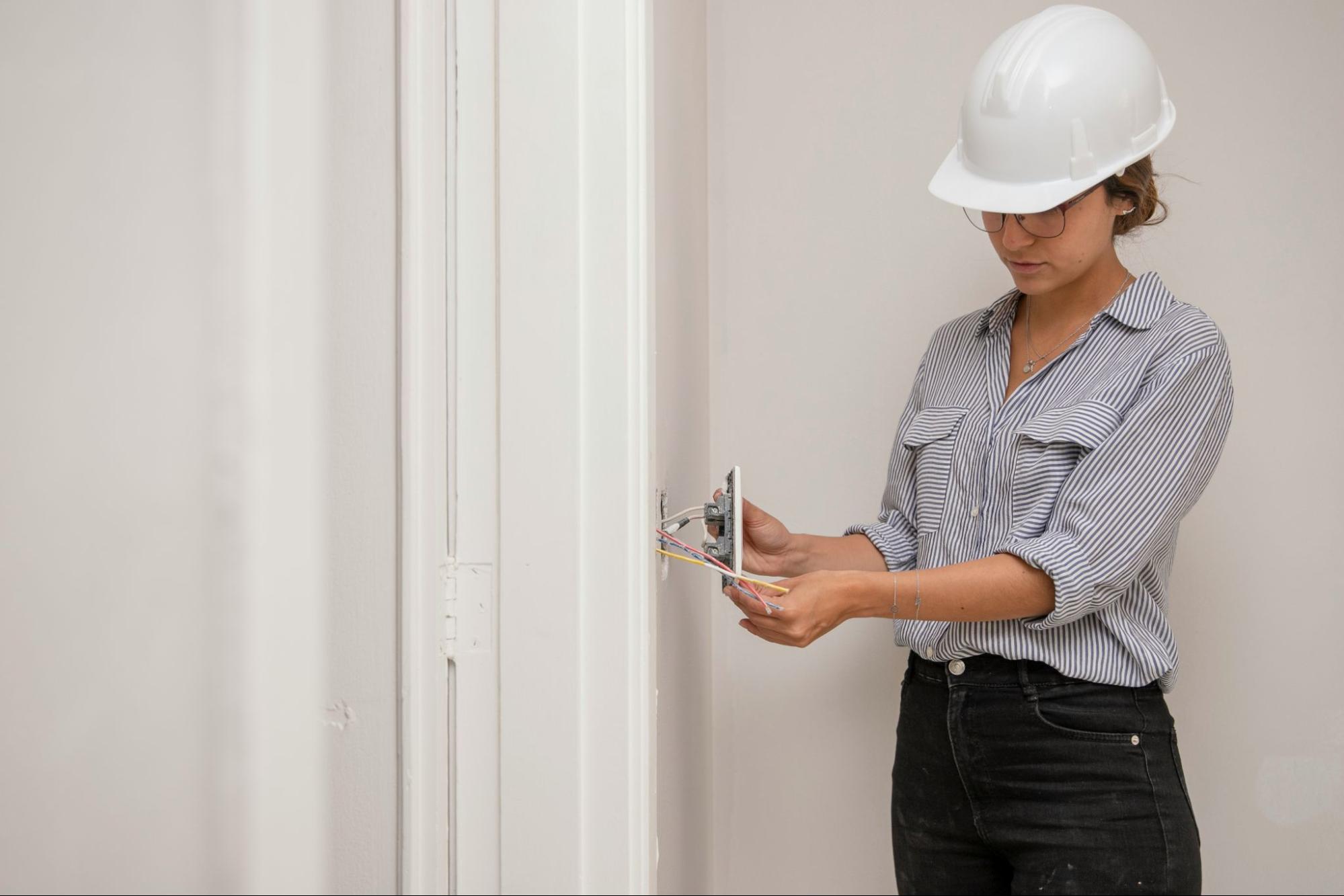
Home Inspection Checklist Before Buying In Laguna Beach
Home Inspection Steps Every Laguna Beach, CA Buyer Should Take.

Remodeling Tips That Add Value To Laguna Beach Homes
What To Know Before Remodeling A Home In Laguna Beach, CA.

Laguna Beach Real Estate Investment Insights For Buyers
Reasons Buyers Choose To Invest In Laguna Beach, CA.

Timeless Design Ideas For Your Laguna Beach Home
Laguna Beach, CA Design Choices That Never Go Out Of Style.
Get Personalized Homebuyer Guidance Online Today
Connect with Clara Blunk and unlock a world of real estate opportunities in Laguna Beach. Whether you’re buying, selling, or just exploring options, Clara provides the expertise and support you need for a successful real estate experience.