
January 8, 2026
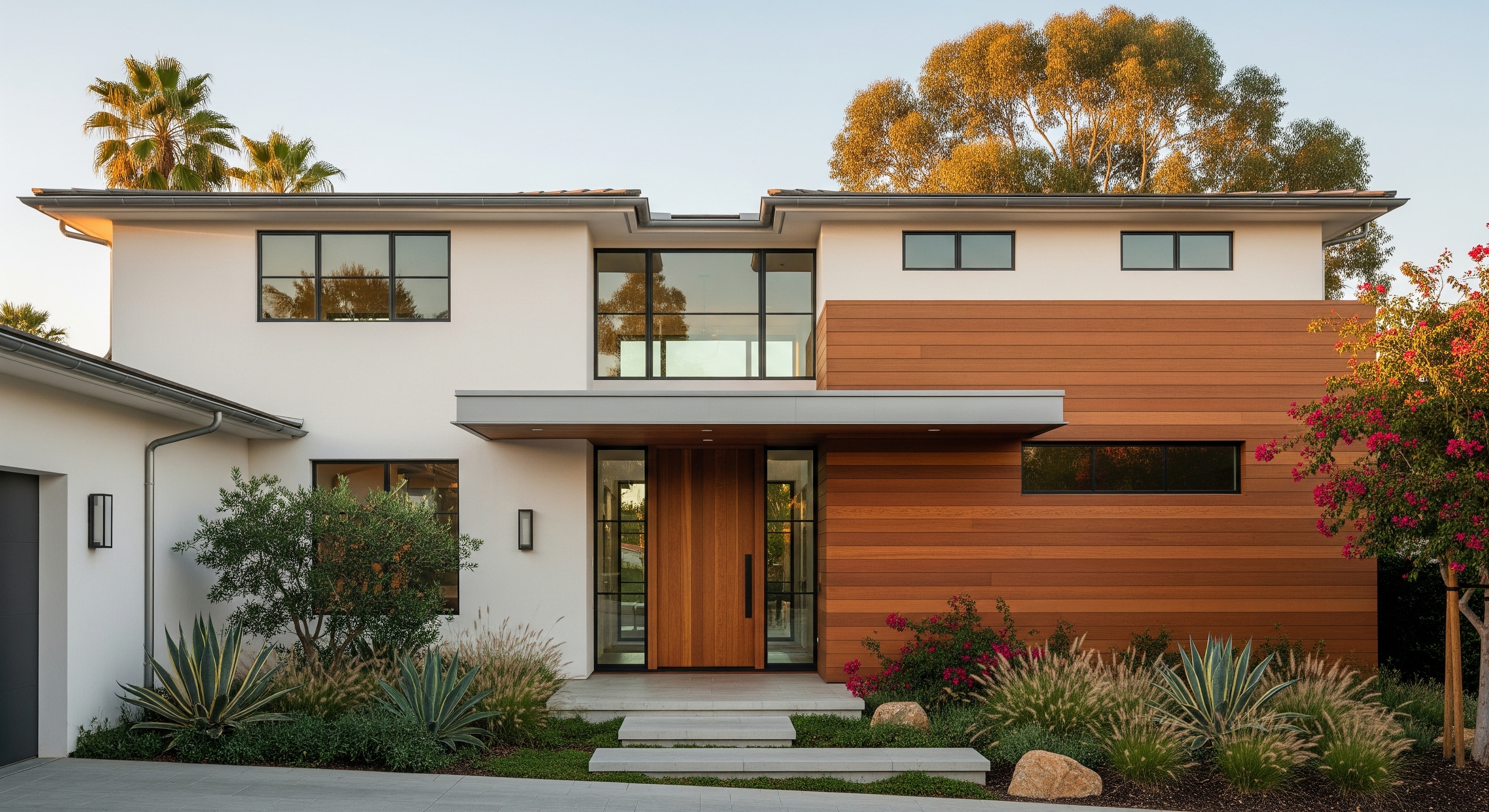
What feels harder right now: choosing the right price or picking the right time to list? If you are selling a single-family home in Costa Mesa, you are balancing both decisions in a market that can shift quickly. You deserve a clear plan that fits your timeline and protects your equity. In this guide, you will learn how Costa Mesa’s micro-markets work, which pricing methods actually help you win, and what steps to take before you list. Let’s dive in.
Why Costa Mesa Home Pricing Differs From Nearby Markets
Costa Mesa sits in a high-demand Orange County corridor influenced by nearby employment centers in Irvine, Santa Ana, and Anaheim, plus quick access to John Wayne Airport and the coast. These regional drivers support steady interest in single-family homes. Mortgage rate changes and statewide inventory can still move the market, so your price should reflect current conditions, not last season’s headlines.
Neighborhoods behave like micro-markets. Mesa Verde, East Side, Westside, South Coast Metro, and coastal-edge areas often differ in lot sizes, age of homes, and upgrade levels. Price per square foot can vary street to street, especially where upgrades, pools, and outdoor living spaces are in play.
Timing matters. Listing activity in Southern California tends to be stronger in late winter through spring. Short-term dynamics, like interest rate changes or a sudden rise in inventory, can tilt pricing power. Keep a close eye on Days on Market and months supply to decide how bold to be.
Choose The Right Pricing Method For Costa Mesa Homes
Comparative Market Analysis basics
A Comparative Market Analysis, or CMA, is your foundation. It compares recent nearby sales and adjusts for size, bed and bath count, lot, condition, upgrades, and time on market. The best CMAs include very recent closed sales plus active and pending listings to show where the market is heading.
The right comps are close in distance and recency. For most Costa Mesa neighborhoods, aim for 0.25 to 1 mile and 3 to 6 months back. Keep structure type the same and limit size differences to about 10 to 20 percent when possible.
Price per square foot wisely
Price per square foot can help set expectations, but it is not the whole story. A larger lot, a permitted addition, or a remodeled kitchen can shift value well beyond a simple average. In Costa Mesa, outdoor spaces and pool condition often sway buyers, so adjust for those features with care.
When using this metric, focus on narrow slices like the same tract or block where homes share similar layouts and vintages. Avoid pulling in outliers that distort the picture.
When to test the market
Testing the market above perceived value can work in periods of very low inventory or when your home is truly unique. The tradeoff is longer Days on Market and potential price reductions. Pricing at fair market value maximizes qualified buyer traffic and appraiser alignment, while pricing a bit below market can promote urgency and multiple offers if supply is tight.
Key Pricing Metrics Costa Mesa Sellers Should Track
DOM and months supply
Days on Market shows how quickly similar homes are selling. If DOM is low and trending down, buyers may act fast, which supports a more assertive list price. Months supply measures how many months it would take to sell current inventory at the present pace. Low supply typically strengthens your position.
List-to-sale ratio
The list-to-sale price ratio compares final sale price to the original list price. A high ratio signals strong demand and can justify pricing at or slightly above market. A lower ratio suggests buyers are negotiating down, so a realistic starting price may be wiser.
Bidding wars and appraisal gaps
Watch for signs of multiple offers or escalation clauses in recent sales. If bidding wars are common, you can consider a competitive list price and an organized offer window. In those conditions, final prices may exceed appraisals more often, so plan for appraisal gap strategies.
How To Pick Accurate Comps For Costa Mesa Home Pricing
Draw a smart map
Start hyperlocal. Many Costa Mesa neighborhoods change block to block because of freeway access, cut-through streets, or lot orientation. If you cannot find enough recent sales nearby, expand carefully, always explaining the rationale for including a wider radius.
Match property traits
Keep comparables similar in square footage, bed and bath count, and lot size. Align condition and upgrades, especially for kitchens, baths, flooring, windows, and permitted additions. If your home has a pool, prioritize comps with pools to make clean adjustments.
Adjust with discipline
Adjust for clear differences and document the logic. Pools, views, corner lots, and high-quality remodels typically warrant line-item adjustments. Exclude atypical sales like severe distress or investor flips from the core set unless you are using them for context and label them as such.
Price Tactics That Help Costa Mesa Homes Sell Faster
Search bands and endings
Buyers filter searches in round price bands. Pricing at 999,900 versus 1,000,000 can change which buyers see your listing. Consider both the psychological impact and the visibility impact when choosing your final number.
Anchoring and urgency
A high anchor can set an expectation but may cut showings. A competitive anchor can drive urgency and more traffic. Choose your approach based on current inventory, likely buyer pool, and your preferred timeline.
Offer review strategies
If you expect strong activity, set a clear offer review date to concentrate showings and create a clean decision point. State preferences like close date or a short leaseback up front to attract offers that fit your needs. Be prepared to evaluate escalation terms and appraisal language with care.
Pre List Steps That Protect Your Costa Mesa Sale Price
High-ROI updates
Focus on visible, high-return updates. Fresh paint, flooring, lighting, and landscaping boost first impressions at reasonable cost. In Costa Mesa, outdoor living areas and pool presentation can markedly increase perceived value, so address repairs and safety items.
Inspection and appraisal prep
A pre-listing inspection can uncover issues before buyers do, reducing surprise credits and renegotiations. For unique or high-value homes, consider a pre-appraisal to help support your pricing narrative. Keep receipts and permit records ready to validate upgrades.
Staging and visuals
Staging helps buyers see the home’s potential and often shortens time on market. Professional photos and thoughtful angles are critical. For homes near the coast or with notable lot orientation, aerials can highlight location benefits.
Manage Appraisal And Legal Steps In Your Costa Mesa Sale
Appraisal gap planning
If the final price runs ahead of appraisal, buyers using financing may face a shortfall. Mitigate this by preparing a comps packet for the appraiser, prioritizing buyers with stronger cash positions when appropriate, or discussing credits and timing strategies with your agent and escrow team.
Required disclosures checklist
California requires a Transfer Disclosure Statement, a Natural Hazard Disclosure, and lead-based paint disclosures for homes built before 1978. Provide links to Megan’s Law information as required and disclose all known material facts. If your property sits within special districts or has Mello-Roos assessments, verify those details since they affect affordability.
Taxes and fees context
Under Proposition 13, property taxes are reassessed at sale, which affects buyer carrying costs and perceived value. Investors may weigh capital gains or 1031 exchange timelines when negotiating price. For questions about taxes or legal exposure, speak with a tax professional or attorney.
When To Adjust Your Costa Mesa Home List Price
A simple 14-day plan
Monitor showings, online saves, and feedback during the first 7 to 14 days. If traffic is light compared to similar listings and no strong offers materialize, consider a measured price reduction aligned to current comps. Avoid serial small cuts that create a stale listing feel.
Costa Mesa Home Pricing Checklist For Local Sellers
- Define your goal and timeline, then align the strategy.
- Pull a recent, hyperlocal CMA with closed, pending, and active comps.
- Calculate DOM, months supply, list-to-sale ratio, and price per square foot.
- Identify your search band and choose a final list number accordingly.
- Complete targeted updates and tackle deferred maintenance.
- Order a pre-list inspection and gather permits and receipts.
- Stage key rooms and plan a strong photo shoot, consider aerials where helpful.
- Decide on offer timing and communication strategy before launch.
- Prepare an appraisal support packet with comps and upgrade summaries.
- Reassess in 7 to 14 days and adjust with intention if needed.
Selling is a big life moment, and your pricing strategy should honor both your goals and the realities of the Costa Mesa market. With the right comps, careful adjustments, and thoughtful pre-list prep, you can attract the right buyers and negotiate from strength. If you want a calm, clear plan tailored to your home and timeline, reach out to Clara Blunk for a consultation.
Home Valuation FAQs For Costa Mesa Sellers
How do I set the right list price for a Costa Mesa single-family home?
- Commission a local CMA using recent nearby sales and adjust for size, condition, lot, and upgrades, then cross-check with current active and pending listings to confirm direction.
Should I underprice my Costa Mesa home to get multiple offers?
- It depends on inventory and demand; in low-supply periods a slightly competitive price can concentrate buyers and lift the final number, while in balanced markets it may only reduce traffic.
What are the risks of overpricing a Costa Mesa house?
- Longer Days on Market, price reductions, a stale listing perception, and higher appraisal risk that can trigger renegotiation or a canceled deal.
How do inspections and disclosures affect pricing in Costa Mesa?
- Handling repairs early and providing complete California disclosures reduces buyer leverage, supports confidence in your list price, and helps keep the escrow timeline smooth.
How soon should I reduce price if my Costa Mesa home is not selling?
- Review showings and feedback after 7 to 14 days; if activity lags comparable listings, consider one well-sized adjustment aligned with current comps rather than multiple small cuts.
Recent Costa Mesa Real Estate Market Articles
Dana Point Harbor Sets Closing Date After 54 Years
The Frida Cinema Doesn’t Just Show Movies. It Runs Half of Downtown Santa Ana’s Calendar.
ADUs As A Smart Rental Strategy In Huntington Beach

HOA Fees In Newport Beach Condos Buyers Should Expect
Costa Mesa’s Summer Already Peaked. Here’s What’s Actually Left in August.
Home Inspection Checklist Before Buying In Laguna Beach
Home Inspection Steps Every Laguna Beach, CA Buyer Should Take.
Remodeling Tips That Add Value To Laguna Beach Homes
What To Know Before Remodeling A Home In Laguna Beach, CA.

Investing In Laguna Beach Real Estate Market Insights
Reasons Buyers Choose To Invest In Laguna Beach, CA.

Timeless Interior Design Ideas For Laguna Beach Homes
Laguna Beach, CA Design Choices That Never Go Out Of Style.
Get Personalized Costa Mesa Home Pricing Advice
Connect with Clara Blunk and unlock a world of real estate opportunities in Laguna Beach. Whether you’re buying, selling, or just exploring options, Clara provides the expertise and support you need for a successful real estate experience.