
March 24, 2026
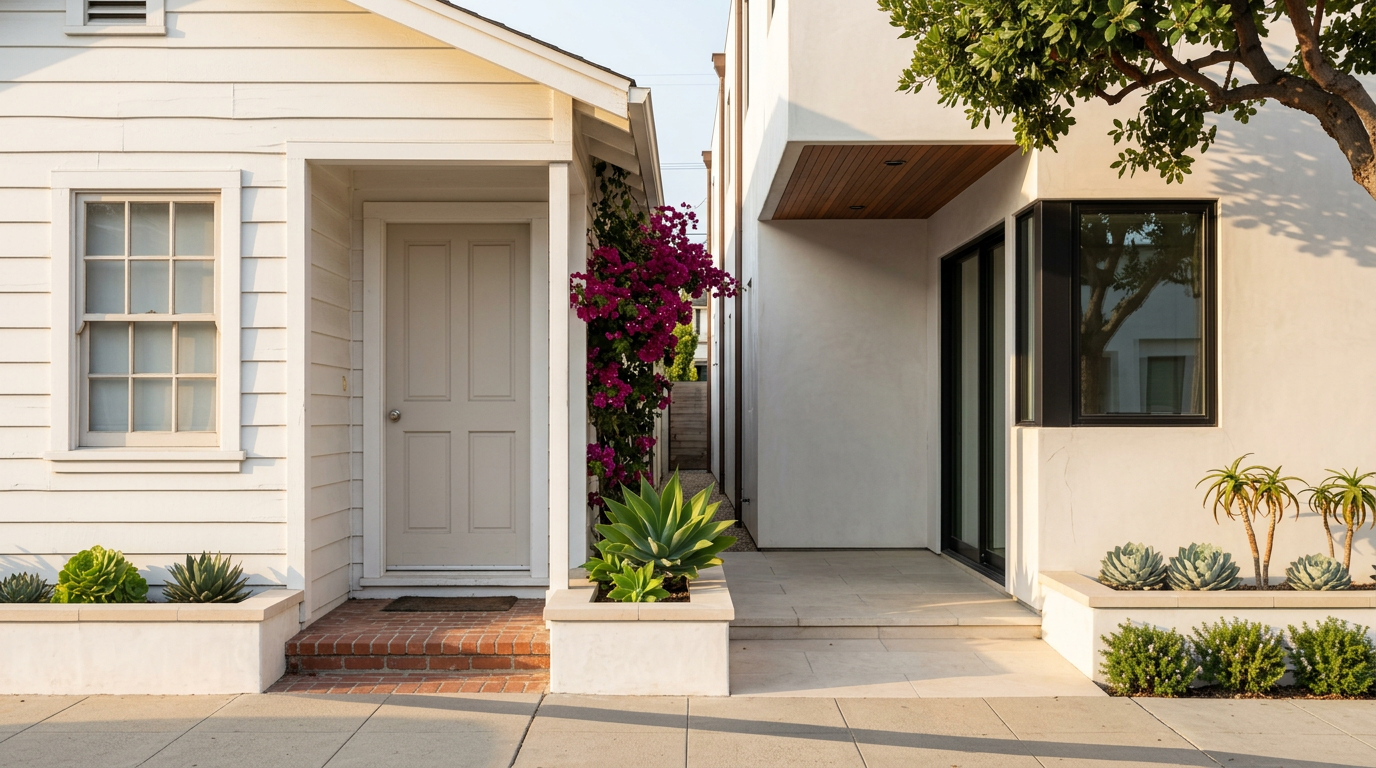
Choosing between a charming Corona del Mar cottage and a sleek new build can feel like choosing between head and heart. You want the ease of modern systems and space, but you may also love the walkable Village vibe and coastal character. In this guide, you’ll see how each option stacks up on lifestyle, cost, permitting, insurance, and long-term value in Corona del Mar. You’ll also get a practical checklist to help you buy with confidence. Let’s dive in.
Corona Del Mar Homes: What You’re Really Choosing
Corona del Mar is several micro-markets in one. The Village and Flower Streets offer walkability and classic scale. Bluff-side addresses along Ocean Boulevard and nearby pockets prioritize ocean exposure and views. Canyon locations add a different topography and feel. In practice, location effects often outweigh age alone when it comes to pricing and resale.
Public market portals often show average values in the low to mid single-digit millions, with oceanfront or top-view new builds trading much higher. Exact values shift by street and exposure, so use current local comps before making an offer. Your decision starts with how you want to live, then moves to what each property type asks of your budget and timeline.
Cottages Vs New Builds: Real Price Differences
- Cottages typically trade at lower entry prices than new luxury builds on premium lots. You often accept smaller square footage, older systems, and modest storage to capture the Village lifestyle.
- New builds command higher prices because they deliver space, modern systems, and turnkey finishes. On bluff or high-view parcels, land value can be the main driver.
- Bottom line: choose location first. Then decide whether a cottage-plus-remodel or a new build best delivers your must-haves.
Architecture And Layout Differences That Matter
What cottages offer
- Cozy scale with traditional room separation and lower ceilings.
- Smaller footprints and lots, which can mean easier upkeep.
- Walkability to shops and beaches in many Village locations.
What new builds add
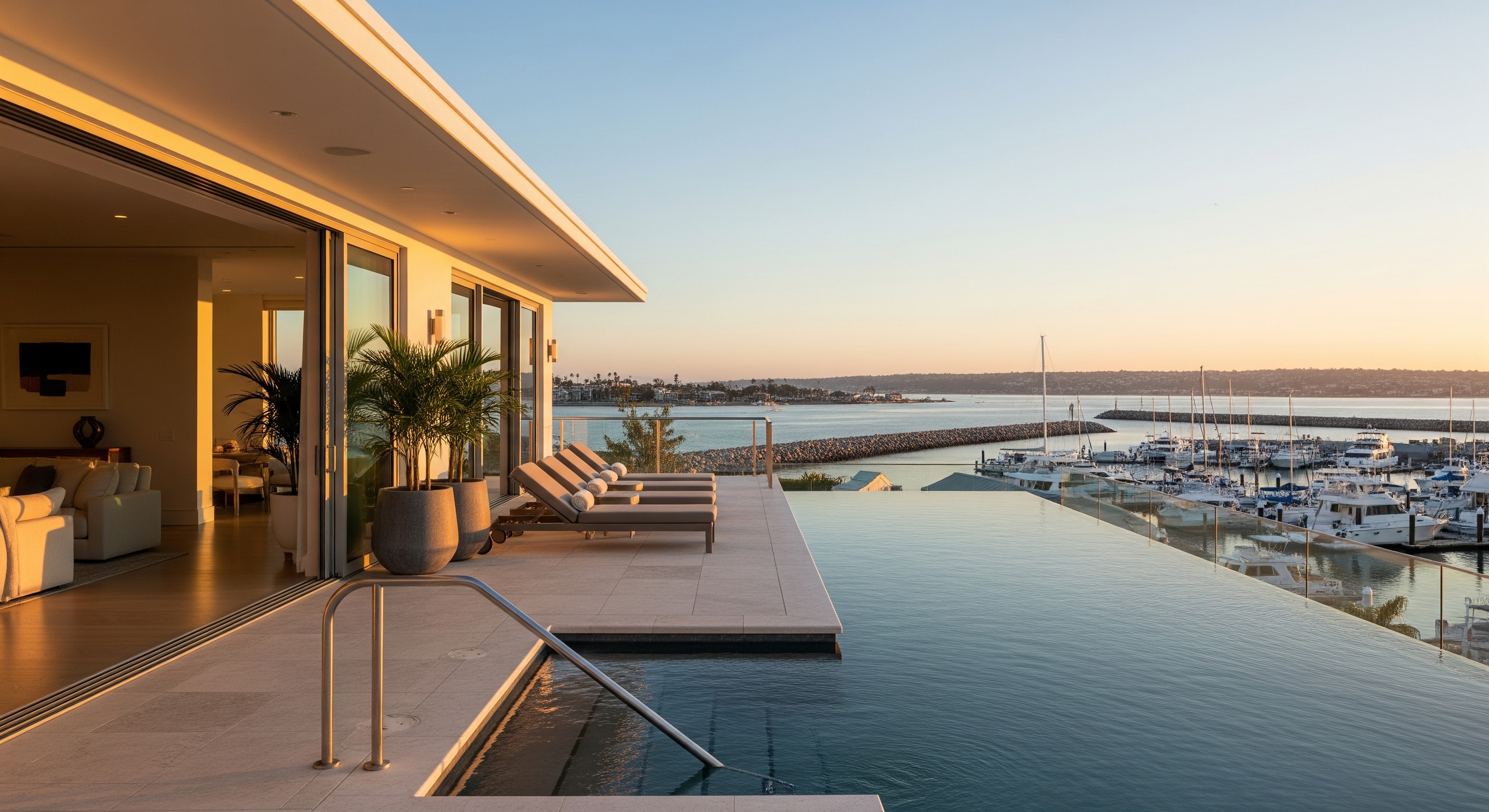
- Larger open plans, higher ceilings, expansive glazing, and indoor-outdoor flow.
- Features like elevators, rooftop decks, and multi-car garages.
- Modern mechanicals and integrated tech that support daily comfort.
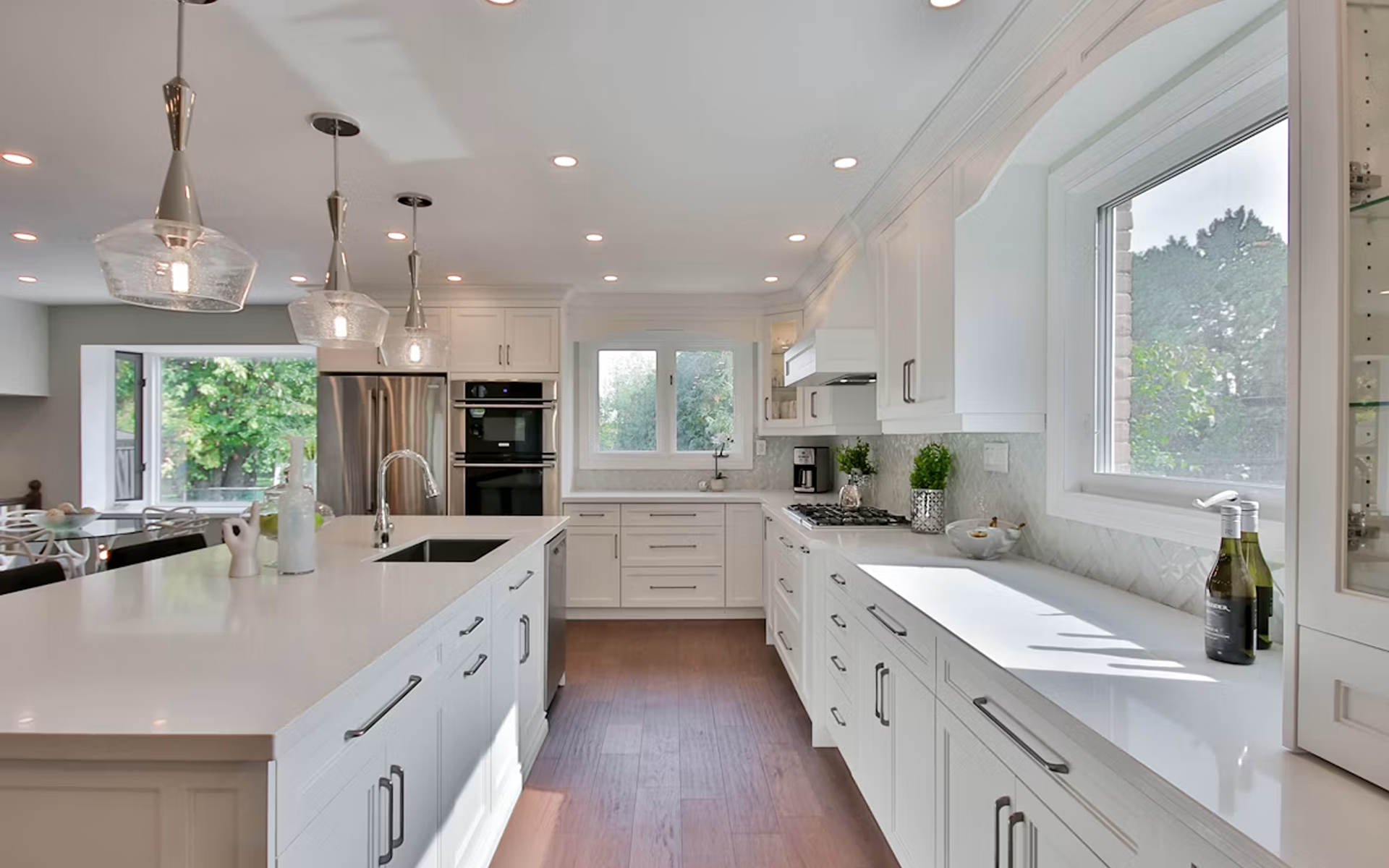
Open kitchens, flexible spaces for work or media, and outdoor living continue to rank high with buyers across the Pacific region, reflecting national remodeling trends. You can see these popularity patterns in regional Cost vs. Value data for common projects, which helps explain why many CdM buyers favor usable outdoor space and modernized kitchens in any plan they choose. See the Pacific region’s project insights in the latest Cost vs. Value report for context on features and returns: Cost vs. Value Pacific report.
Maintenance And Hidden Costs CdM Buyers Should Know
Older cottage considerations
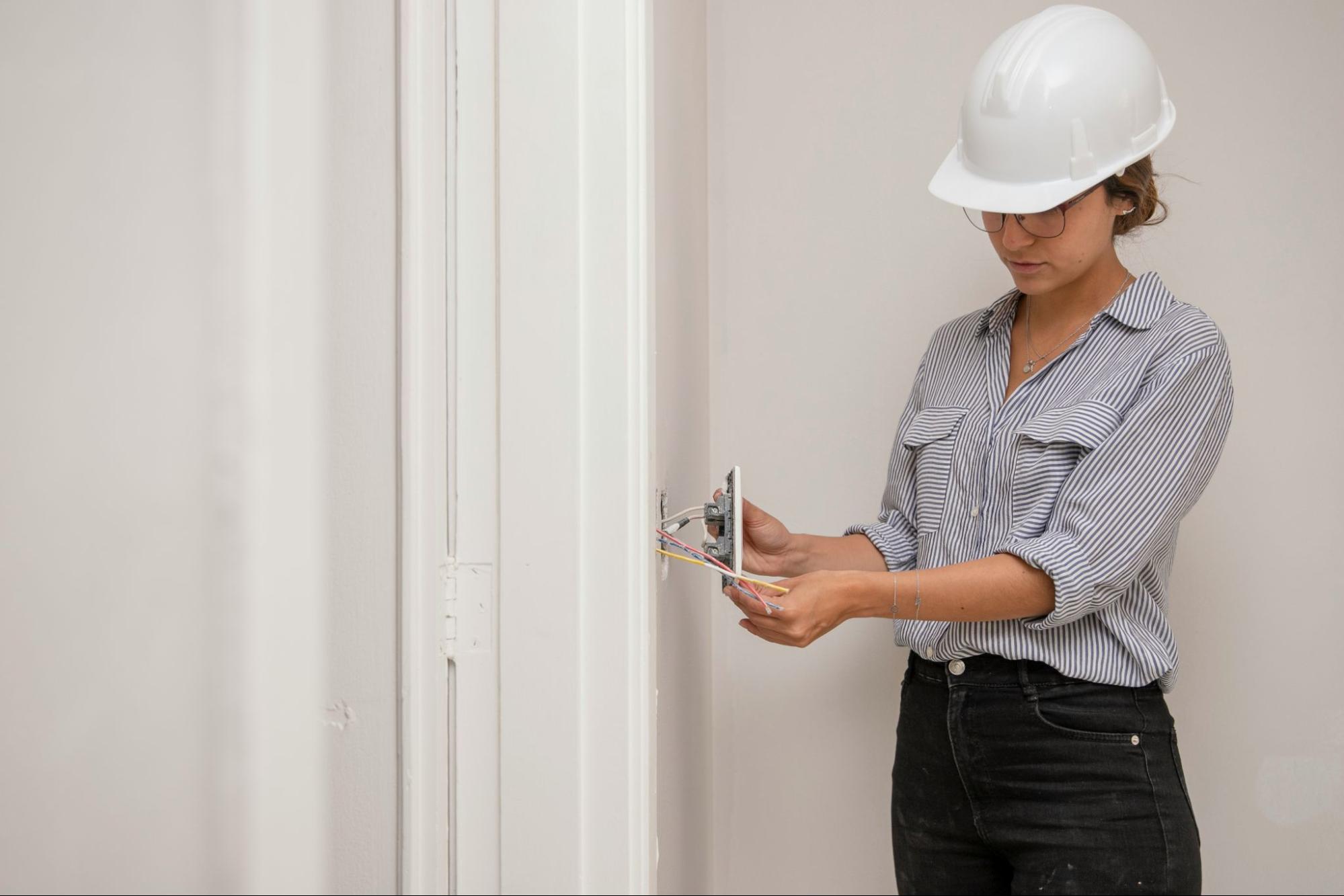
- Electrical and plumbing. Legacy wiring or older panels and galvanized or cast-iron piping can require full upgrades.
- Envelope and comfort. Roofs, windows, and insulation may trail modern standards, and upgrades to meet today’s energy code can add cost. Review California’s evolving energy code to understand efficiency targets: California Energy Code fact sheet.
- Lead-based paint. For homes built before 1978, federal rules require lead-hazard disclosures and lead-safe work practices during renovations. Read more from the National Association of REALTORS: Lead paint disclosure and RRP basics.
Termites, dry-rot, and moisture
Wood-destroying organism (WDO) inspections are standard in Southern California escrows. Licensed Branch-3 inspectors provide standardized reports, and Section I items are typically serious escrow issues. Ask for a current report and budget for remediation if needed. Learn how WDO reporting works in California: SPCB guidance on inspections.
Permits, Coastal Rules, And Site Risks In CdM
Corona del Mar sits within Newport Beach’s coastal zone, which brings added review for many projects, especially on bluff or shoreline lots. Expect geotechnical studies and coastal-hazard analyses for new builds or major additions on bluff-edge parcels. Start by reviewing the City’s Local Coastal Program FAQ: Newport Beach LCP FAQ.
If you are evaluating a bluff property, Newport Beach’s Municipal Code includes standards tied to coastal hazards, stability, and setbacks. These can affect what you can build or add, and they may increase soft costs for engineering and reports. See the City’s development standards: Newport Beach Municipal Code Chapter 21.30.
Insurance can also reflect coastal exposure. Lenders and insurers look at local hazard histories and federal flood maps. Ask your insurer for a preliminary underwriting check early. For financing, many purchases in CdM exceed conforming loan limits, which can lead to jumbo mortgages and larger down payments. For a quick primer on mortgage categories, see this overview: Jumbo vs. conventional mortgages.
New Construction Timelines And Cost Ranges In CdM
Custom builds in Newport Beach and Corona del Mar typically require planning, permitting, and construction over 12 to 24 months. Costs vary widely by finish level, site complexity, and coastal requirements. As a broad local reference, high-quality custom homes often range roughly from 400 to 1,000+ dollars per square foot. Always confirm with at least two local builders and a cost consultant before you commit. For a local perspective on timing and budgets, review this guide: Custom home cost in Newport Beach.
Significant remodels or a full rebuild can also change your property-tax picture. California issues supplemental assessments after a change of ownership or when new construction is completed, which can raise annual taxes. Plan for this in your budget and check details with the County: Orange County Assessor guidance.
Resale Value And ROI Trends In Corona Del Mar
In CdM, land often carries the lion’s share of value, especially with ocean exposure or prime views. That is a key reason you see ongoing teardown and rebuild activity on premium lots.
For many buyers, a well-scoped remodel of a cottage can improve comfort and marketability while recouping a meaningful share of cost. Regional data shows that modest, high-impact projects like minor kitchen refreshes, entry upgrades, siding, and decks tend to recoup a higher percentage of spend than large luxury add-ons. If you need a very different program, like more square footage, multiple en-suites, an elevator, or integrated systems, a teardown and new construction may be the more realistic route. Explore project return patterns in the Pacific region here: Cost vs. Value Pacific report.
How To Choose Between CdM Cottages And New Builds
Use this simple framework to clarify your decision:
- List non-negotiables.
- Examples: walking distance to the Village, immediate ocean access, number of garage spaces, home office, guest suite, elevator, indoor-outdoor flow.
- Score lifestyle fit today vs after improvements.
- Cottage now vs cottage after remodel. New build now vs new build after custom finish changes.
- Compare all-in budgets and timelines.
- Cottage purchase plus remodel costs, contingencies, and likely insurance changes.
- New build purchase or teardown cost, design fees, coastal studies, permits, build cost, carrying costs, and 12 to 24 months of timeline.
- Stress-test taxes and insurability.
- Estimate supplemental assessment after major work and ask insurers for preliminary quotes based on the parcel’s risk.
- Reality-check resale.
- Use truly comparable sales for your micro-market and exposure tier. Focus on what buyers ask for most often: modern mechanicals, indoor-outdoor living, storage, and off-street parking.
Note: Figures in this article are market snapshots for general education. Verify all numbers with your lender, contractor, insurer, and current local comps before acting.
Buyer Due Diligence Checklist For CdM Homes
Use this checklist when you are choosing between a cottage and a new build in Corona del Mar.
- Confirm your micro-market and comps. Identify whether you are in the Village, on the bluff, or in a canyon pocket, and then pull 3 to 5 recent comparable sales per exposure tier.
- Order a current WDO (termite) inspection. Use a licensed Branch-3 inspector and review Section I items closely: California SPCB inspection guidance.
- Pull permit history and any Coastal Development Permits. Contact Newport Beach Planning to review the property file and coastal documentation: Newport Beach LCP FAQ.
- For bluff or oceanfront lots, plan early geotechnical and coastal-hazard studies. Review applicable coastal development standards: Newport Beach Municipal Code 21.30.
- Check HOA status and rules if applicable. Review CC&Rs, budgets, reserves, insurance, rental rules, and any known special assessments.
- Get two builder estimates. Compare a cottage remodel vs a full rebuild, including soft costs and Title 24 energy compliance. For local cost context, see: Newport Beach custom home cost and review energy standards: California Energy Code fact sheet.
- Ask the Assessor about taxes. Estimate supplemental and ongoing property taxes after major work: Orange County Assessor.
- Run an early insurance check. Ask whether carriers will write the property and what premiums look like for wind and flood if mapped.
- For pre-1978 homes, secure lead disclosures and plan any work with RRP-certified contractors: Lead paint disclosure basics.
Bottom Line On Corona Del Mar Cottages Vs New Builds
If you prize Village walkability and character, a cottage plus a targeted remodel can deliver lifestyle and value without a multi-year build. If you need space, tech-forward systems, and bespoke design, a new build will likely serve you better, especially if the parcel offers top-tier views. Either way, your clearest path starts with non-negotiables, precise comps for the micro-market, and a full budget that includes soft costs, insurance, and taxes.
When you want a calm, expert partner to navigate these tradeoffs, reach out. As a local, heart-centered advisor, I will help you weigh options, connect you with trusted inspectors and builders, and negotiate a plan that fits your life. Connect with Clara Blunk to Schedule a Heart-Centered Consultation.
FAQs About Buying Homes In Corona Del Mar
What are the biggest cost differences between Corona del Mar cottages and new builds?
- Cottages often have lower entry prices but can require system upgrades and maintenance, while new builds carry higher purchase prices plus longer timelines but deliver modern systems and layouts out of the gate.
How long does a new custom build in Corona del Mar usually take?
- Planning, permitting, and construction commonly run 12 to 24 months for custom projects, with costs varying by finish level and coastal constraints.
What inspections are essential for older cottages in Corona del Mar?
- Secure a WDO (termite) inspection, evaluate electrical and plumbing, check roof and windows, and follow required lead-based paint disclosures for pre-1978 homes.
Do coastal rules affect remodels and rebuilds in Corona del Mar?
- Yes. Projects in the coastal zone can need added studies, and bluff parcels face geotechnical and coastal-hazard requirements that influence design, cost, and timing.
Will remodeling or rebuilding change my property taxes in Orange County?
- Significant remodels or new construction can trigger supplemental assessments and higher annual taxes, so confirm the impact with the Orange County Assessor before work begins.
Recent Real Estate Blog Posts For OC Buyers
Dana Point Harbor Announces First Closing Date In Decades
The Frida Cinema Doesn’t Just Show Movies. It Runs Half of Downtown Santa Ana’s Calendar.
Using ADUs As A Rental Strategy In Huntington Beach
HOA Fees In Newport Beach Condos For Homebuyers
Costa Mesa’s Summer Already Peaked. Here’s What’s Actually Left in August.
Guide To Home Inspections Before Buying In Laguna Beach
Home Inspection Steps Every Laguna Beach, CA Buyer Should Take.
Top Remodeling Tips To Upgrade Laguna Beach Homes
What To Know Before Remodeling A Home In Laguna Beach, CA.

Why Invest In Laguna Beach Real Estate Right Now
Reasons Buyers Choose To Invest In Laguna Beach, CA.
Timeless Design Tips For Laguna Beach Coastal Homes
Laguna Beach, CA Design Choices That Never Go Out Of Style.
Get Personalized Real Estate Guidance Online
Connect with Clara Blunk and unlock a world of real estate opportunities in Laguna Beach. Whether you’re buying, selling, or just exploring options, Clara provides the expertise and support you need for a successful real estate experience.